|
| Mitsui Miike Mine Omuta POW camp barracks nominated World Heritage site |
As the letter below shows, most of these sites have long histories of slave and forced labor combined with dangerous working conditions, labor strife, and seminal accidents. For the American POWs of Japan, a shocking number of the sites are at or are near POW camps that used Allied POW slave labor.
Unfortunately, the US government no longer has a seat at UNESCO. But
possibly, Washington can speak to its Japanese ally to remind them of the debt
they owe to American veterans for defending their freedom.
American Defenders of Bataan and Corregidor Memorial Society
June 22, 2015*
Mr. Kishore Rao
Director
World Heritage Centre
7, place de fontenoy
75352 Paris
France
Dear Mr. Rao:
I am writing in regard to the Government of Japan’s nomination of the “Sites of Japan’s Meiji Industrial Revolution: Kyushu-Yamaguchi and Related Areas” for the UNESCO World Heritage List. As president of the American Defenders of Bataan and Corregidor Memorial Society (ADBC-MS), which represents surviving POWs of Japan, their families, descendants, and researchers, I have serious reservations about whether the application meets the UNESCO criteria of “universal value” and meaning.
The goal of the ADBC-MS is to preserve and to teach the history of the American POWs held captive by Imperial Japan during World War II. Japan’s use of Allied POW slave labor in its corporate metal and mineral mines is an essential part of POW history, and a central and long-term feature of the history of the nominated sites. From late Meiji onward, Japan used forced convict labor in its extractive industries and created “industrial prisons” to supply workers to factories and mills at private companies.
The Japanese World Heritage nomination focuses on the history of Japan’s mining and steel industries, but completely omits the history of POW labor. As such, it violates UNESCO’s mandate of ensuring that World Heritage sites have “Outstanding Universal Value.” The story of the thousands of foreign workers who maintained these Japanese industries remains untold.
American Defenders of Bataan and Corregidor Memorial Society
June 22, 2015*
Mr. Kishore Rao
Director
World Heritage Centre
7, place de fontenoy
75352 Paris
France
Dear Mr. Rao:
I am writing in regard to the Government of Japan’s nomination of the “Sites of Japan’s Meiji Industrial Revolution: Kyushu-Yamaguchi and Related Areas” for the UNESCO World Heritage List. As president of the American Defenders of Bataan and Corregidor Memorial Society (ADBC-MS), which represents surviving POWs of Japan, their families, descendants, and researchers, I have serious reservations about whether the application meets the UNESCO criteria of “universal value” and meaning.
The goal of the ADBC-MS is to preserve and to teach the history of the American POWs held captive by Imperial Japan during World War II. Japan’s use of Allied POW slave labor in its corporate metal and mineral mines is an essential part of POW history, and a central and long-term feature of the history of the nominated sites. From late Meiji onward, Japan used forced convict labor in its extractive industries and created “industrial prisons” to supply workers to factories and mills at private companies.
The Japanese World Heritage nomination focuses on the history of Japan’s mining and steel industries, but completely omits the history of POW labor. As such, it violates UNESCO’s mandate of ensuring that World Heritage sites have “Outstanding Universal Value.” The story of the thousands of foreign workers who maintained these Japanese industries remains untold.
We do not object to Japan highlighting its modern history, but the story is incomplete without a full and complete history of the use of slave labor. Forced and conscripted labor was as much a convention in Meiji Japan as it was during World War II.
Japan’s nomination features eight industrial “areas.” Five of these held 26 POW camps to provide slave labor to Japan’s industrial giants, such as Mitsui, Mitsubishi, Sumitomo, Aso Group, Ube Industries, Tokai Carbon, Nippon Coke & Engineering, Nippon Steel & Sumitomo Metal Corporation, Furukawa Company Group, and Denka.
The nomination does not mention the OVER 13,000 POW slave laborers who worked at or near the nominated sites. The POWs included 4,385 Dutch, 3357 British, 3,023 Americans, 1,207 Australians, 358 Canadians, 133 Indians, 5 New Zealanders, 22 Chinese, 9 Portuguese, 6 Norwegians, 2 Czechs, 2 South African, 2 Arabians, and 2 Malays.
Japan’s nomination features eight industrial “areas.” Five of these held 26 POW camps to provide slave labor to Japan’s industrial giants, such as Mitsui, Mitsubishi, Sumitomo, Aso Group, Ube Industries, Tokai Carbon, Nippon Coke & Engineering, Nippon Steel & Sumitomo Metal Corporation, Furukawa Company Group, and Denka.
The nomination does not mention the OVER 13,000 POW slave laborers who worked at or near the nominated sites. The POWs included 4,385 Dutch, 3357 British, 3,023 Americans, 1,207 Australians, 358 Canadians, 133 Indians, 5 New Zealanders, 22 Chinese, 9 Portuguese, 6 Norwegians, 2 Czechs, 2 South African, 2 Arabians, and 2 Malays.
Over all, at war’s end, there were close to 200 sites for POW internment throughout all of Japan—163 facilities to incarcerate POWs and about 33 facilities for civilian internees. There were 27 on the island of Kyushu where the majority of Japan’s nominated sites are located.
In addition, the key ports at Kitakyushu, then called Moji, and Nagasaki —both nominated sites—were the entry points for nearly 35,000 Allied POWs, of which approximately 11,000 were American. Over 7,000 American and Allied POWs perished traveling to Japan aboard the aptly called “Hell ships”, and 3,500 more perished in Japan, 25 percent within the first 30 days of arrival.
In addition, the key ports at Kitakyushu, then called Moji, and Nagasaki —both nominated sites—were the entry points for nearly 35,000 Allied POWs, of which approximately 11,000 were American. Over 7,000 American and Allied POWs perished traveling to Japan aboard the aptly called “Hell ships”, and 3,500 more perished in Japan, 25 percent within the first 30 days of arrival.
As shown at the UNESCO World Heritage site of Liverpool-Maritime Merchant City, there is a benefit to including a country’s darker history. The telling of the port’s role in the triangular transatlantic slave trade has helped the city attract a wider group of tourists while stimulating learning and international connections. For example, since establishment of its World Heritage status in 2004, Liverpool opened in 2007 the International Slavery Museum on the dock and in 2006 a Centre for the Study of International Slavery (CSIS) at the University of Liverpool. Identical memorials to the victims of slavery stand on the docks of Liverpool, Richmond, Virginia, and Cotonou, Benin, linking the shared memory among them.
In 2011, a Repatriation Memorial was unveiled at Liverpool’s Pier Head as a remembrance for the former POWs and civilian internees who returned from captivity in the Far East. My members would welcome appropriate memorials at the POW arrival ports of Moji and Nagasaki in Japan as well as Kaohsiung, Taiwan and Busan, South Korea.
Nationals from six of the 21 nations represented on today’s UNESCO World Heritage committee were POWs held on mainland Japan. These nations are: India, Malaysia, Jamaica, Finland, Poland, and Portugal. There were also thousands of Koreans who were used as conscripted labor during the war.
It is our hope that Japan can be persuaded to amend its application to tell the full history of their industrialization by including its history of POW labor. We believe this request is reasonable. It enriches the nomination by conveying the totality of the story, helping it transcend national boundaries, and highlighting its universal importance.
After all, the many visitors to the nominated World Heritage sites who will arrive at Fukuoka International Airport will land on runways originally leveled and constructed by British, American, and Dutch Prisoners of War.
Thank you for your time and attention. Please do not hesitate to contact me with any questions.
Sincerely yours,
Ms. Jan Thompson
President
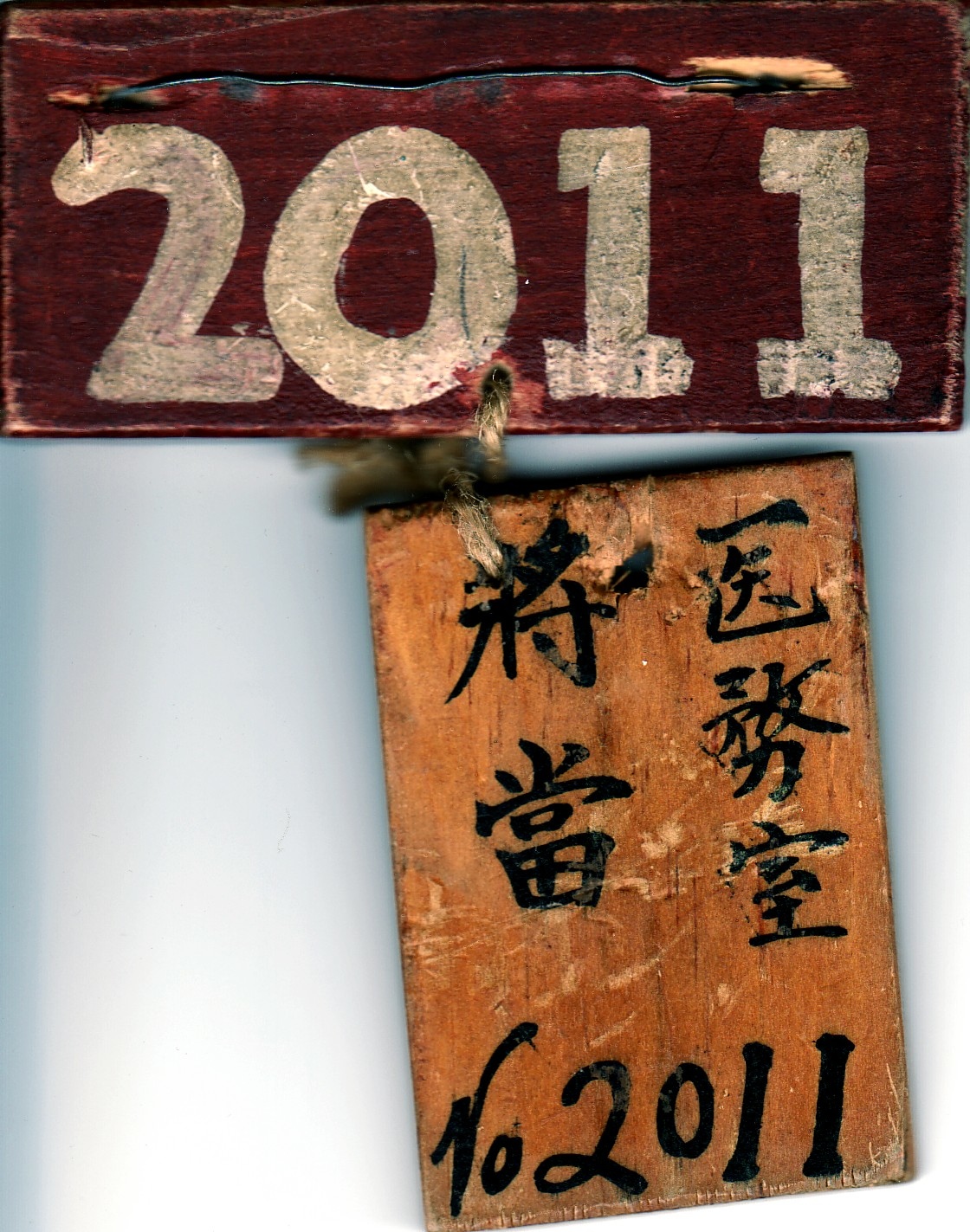
Daughter of PhM2c Robert E. Thompson USN, Bilibid, Fukuoka 3B, & Mukden, POW# 2011
*This letter was amended June 29, 2015 to reflect a better calculation of the POW camps strengths and numbers at liberation, August 1945. With existing records, it is difficult to be exact.
In 2011, a Repatriation Memorial was unveiled at Liverpool’s Pier Head as a remembrance for the former POWs and civilian internees who returned from captivity in the Far East. My members would welcome appropriate memorials at the POW arrival ports of Moji and Nagasaki in Japan as well as Kaohsiung, Taiwan and Busan, South Korea.
Nationals from six of the 21 nations represented on today’s UNESCO World Heritage committee were POWs held on mainland Japan. These nations are: India, Malaysia, Jamaica, Finland, Poland, and Portugal. There were also thousands of Koreans who were used as conscripted labor during the war.
It is our hope that Japan can be persuaded to amend its application to tell the full history of their industrialization by including its history of POW labor. We believe this request is reasonable. It enriches the nomination by conveying the totality of the story, helping it transcend national boundaries, and highlighting its universal importance.
After all, the many visitors to the nominated World Heritage sites who will arrive at Fukuoka International Airport will land on runways originally leveled and constructed by British, American, and Dutch Prisoners of War.
Thank you for your time and attention. Please do not hesitate to contact me with any questions.
Sincerely yours,
Ms. Jan Thompson
President
Daughter of PhM2c Robert E. Thompson USN, Bilibid, Fukuoka 3B, & Mukden, POW# 2011
*This letter was amended June 29, 2015 to reflect a better calculation of the POW camps strengths and numbers at liberation, August 1945. With existing records, it is difficult to be exact.